Role of PCGA on PCG’s Functional Areas:
Maritime Search and Rescue (MARSAR)
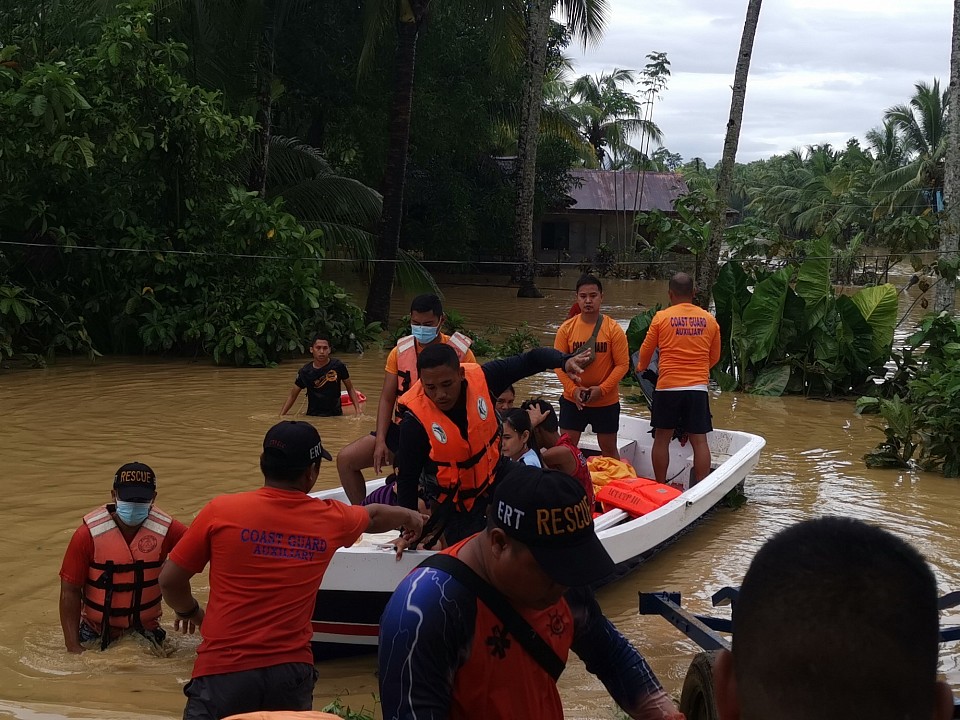
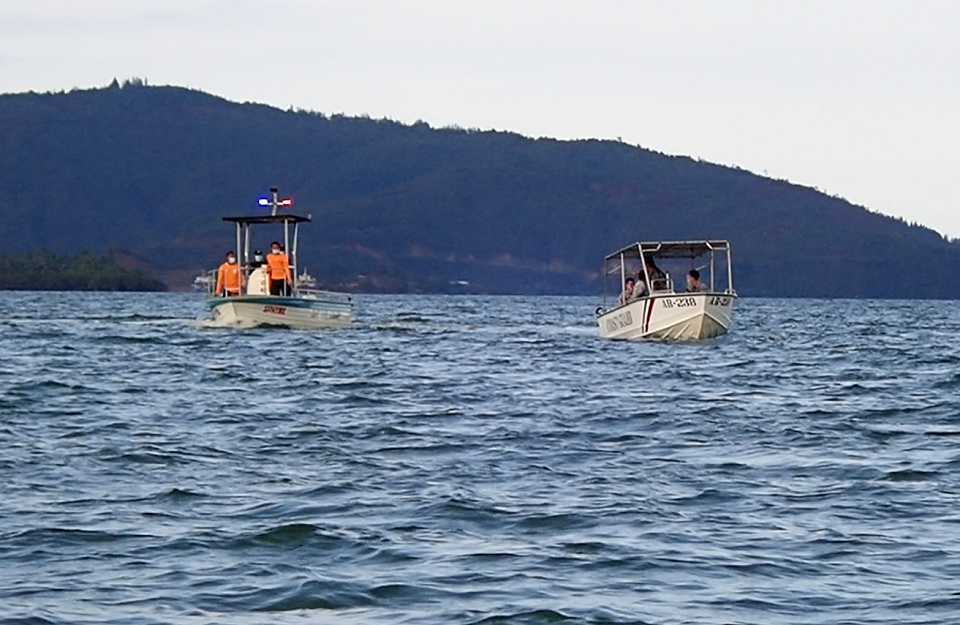
The PCG is mandated to conduct Search and Rescue (SAR) operations and to respond to any emergency situations. As such, the PCGA shall assist on this through the following actions:
- Provide assets such as aircrafts, vehicles, vessels, tugs, barge, motor bancas, jet ski, rubber boats or any available transportation that would be of aid in SAR operations PHILIPPINE COAST GUARD AUXILIARY
- Share expertise/knowledge on special cases or emergency situations that arise
- Provide medical assistance to victims and affected individuals
- Provide/assist on relief operations
- Provide manpower as necessary
- In no occasion that the PCGA will conduct a SAR without the permission of the CPCG, C, CGD or C, CGS; except while at sea when communication is hampered or is not available, in which case, the PCGA shall render the appropriate report at the first opportunity after arrival at shore.
Maritime Safety (MARSAF)
The best way to promote safety of life and property at sea is the implementation of maritime safety rules and regulations. With the expertise of the PCGA members, it can be essential and more effective to render such expertise in assisting the PCG through the following:
- Perform Port State Control (PSC) Inspection as needed after proper orientation by PCG PSC officers.
- Report to the PCG noted vessel deficiencies particularly those of vessels carrying passengers and those carrying hazardous cargoes
- Provide competent instructors during trainings conducted by the PCG and when requested, to make available technically competent PCGA members to assist in the conduct of ship inspection and/or marine casualty investigations.
- Assist the PCG in providing courses, seminars and workshops on water safety such as boat handling, typhoon doctrines, and search and rescue for SAR units of local governments and non governmental organizations.
- In coordination with the PCG, help provide seminars for fishermen and other coastal communities whose means of livelihood is dependent on fishing and small boat travel in order to explain the effects of tropical cyclones (tropical depression, tropical storm and typhoon) and the importance of adhering to the PCG regulation governing movement of vessels during heavy weather and also in the absence of any Public Storm Warning Signal.
Marine Environment Protection (MAREP)
The promulgation of the Philippine Coast Guard Law of 2009 vested in the PCG the power to enforce laws and promulgate and administer rules and regulations for the protection of the marine environment and resources from offshore sources of pollution within the maritime jurisdiction of the 13 REGULATION MANUAL 2021 Philippines. In the performance of such functions, the PCGA may assist the PCG through the following:
- When appropriate, provide technical assistance/expertise to the PCG on matters pertaining Marine Environment Protection (MEP);
- Assist in the conduct of lectures and training to promote public awareness on MEP;
- Assist the PCG in the conduct of oil spill response operations;
- Participate in marine pollution exercises;
- Assist the PCG in the protection and preservation of Marine Protected Areas (MPAs);
- Conduct river/coastal clean-up activities;
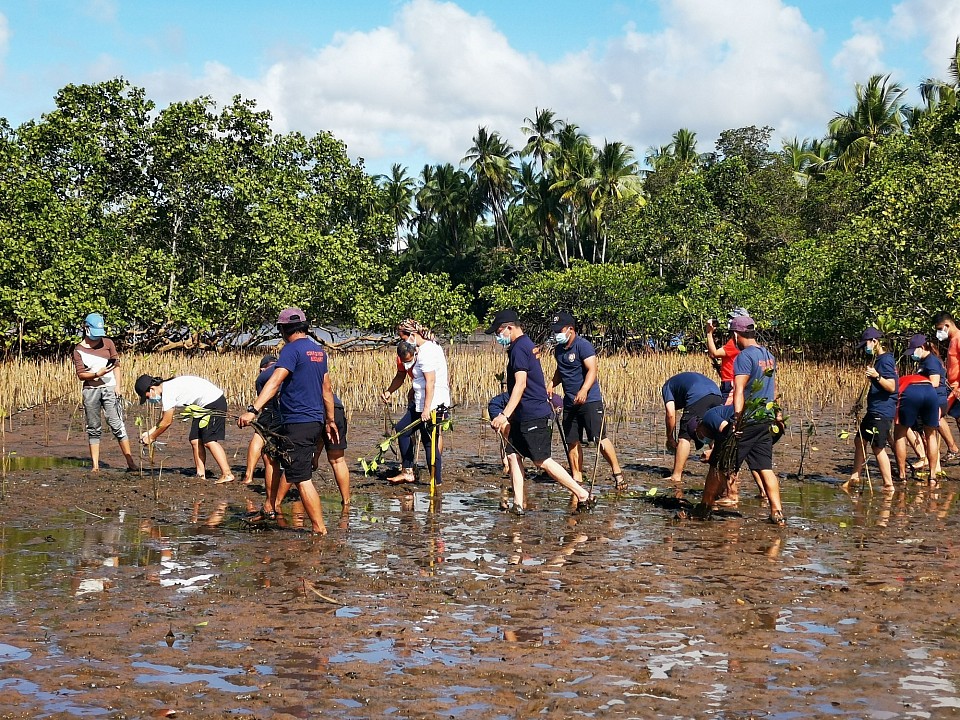
- Conduct mangrove planting activities;
- Conduct coral reef protection/reforestation/preservation;
- Promote eco-tourism in the country; and
- Assist the PCG in rescuing and monitoring of stranded marine mammals
Maritime Community Relations (MCOMREL)
The PCGA is mandated to assist the PCG in enhancing maritime community relations through the conduct of civic action, participation under the National Service Training Program (NSTP), youth development projects, promotion of recreational safety and other related activities.
d.1) Civic Action
Activities authorized for the PCGA to undertake in coastal communities and navigable bodies of water under the AOR of the PCG in partnership with other local government units and non-government organizations such as, but not limited to the following:
a. Assist in humanitarian activities and disaster relief operations
b. Assist in Environmental activities
c. Livelihood trainings
d.2) Youth Development and NSTP
The youth development program approved by the PCG for the PCGA involves a creative strategy which gives the youth the chance to gain the realization of their worth in the society. It further provides them with avenues of participation towards this end. PHILIPPINE COAST GUARD AUXILIARY Youth development programs may include activities in sports, socialization, skills training, and other forms of youth advancement and contribution to the community. Such activities may include:
a. Livelihood and vocational trainings
b. Public service and youth relationship enhancement
c. Emergency response familiarization and training
d. Sports and athletics activities
e. Values formation f. Sea-scouts activities and PCGA youth activities The participation of the PCGA in the NSTP program of the PCG to be implemented in some tertiary level schools shall be as defined in the PCG Circular to be issued by the Commandant in coordination with the Commission on Higher Education (CHED).
d.3) NSTP
In lieu to RA 9163, where NSTP as a program anchored to Higher and Technical-Vocational Educational Institutions which aimed of enhancing civic consciousness and defense preparedness to the youth by developing the ethics of services and patriotism while undergoing training. The organization adapt its mandate to promote service to nation in partnership with institution aiming the same vision with PCG-PCGA.
As the program implied in recognizing the youth’s vital role in nation building, the students have an option to join from the organization and serve as the recruitment mechanism by the PCG for their future member.
The participation of the PCGA in the NSTP program of the PCG to be implemented in some tertiary level schools as defined in the PCG Memorandum Circular Number 04-13 dated 21 December 2013 as amended by HPCG MC Number 05-15 dated 29 September 2015.